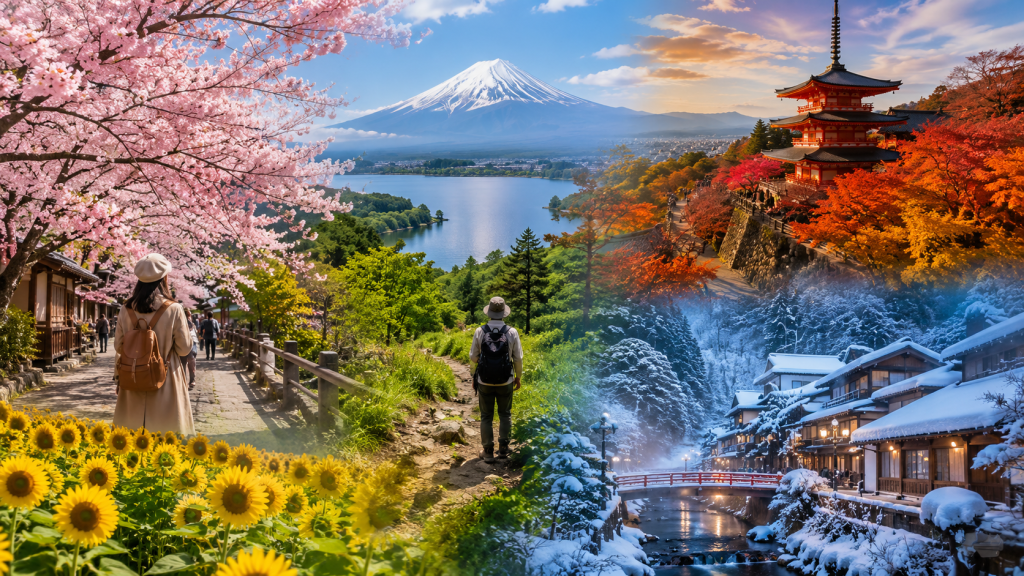
There is no single best time to visit Japan.
Spring brings cherry blossoms. Summer fills the calendar with festivals and fireworks. Autumn transforms mountains and temple gardens with color, while winter offers snow, hot springs and quieter journeys through many parts of the country.
But Japan stretches a long way from north to south, so the season you experience in Hokkaido can feel very different from the same month in Okinawa.
The best time for your trip depends on what you want to see, where you want to go and how you feel about heat, cold, rain and crowds.
This month-by-month guide will help you choose a season that fits the Japan you want to experience.
First, Understand Japan’s Seasons
Japan has four distinct seasons, but weather conditions vary considerably by region.
Spring — March to May
Mild weather, cherry blossoms and fresh greenery make spring one of Japan’s most popular travel seasons.
Summer — June to August
Early summer brings the rainy season to much of the country, followed by hot and humid weather, festivals, fireworks and mountain adventures.
Autumn — September to November
Temperatures gradually become more comfortable, and autumn colors spread across the country as the season progresses.
Winter — December to February
Northern and mountainous regions receive heavy snow, while many Pacific-side cities experience relatively dry winter weather.
These are useful guidelines rather than fixed rules. Japan’s geography means seasonal timing can shift significantly depending on where you travel.
January — Snow, Onsen and a Quieter Start to the Year
January is one of the best months for travelers who want to experience Japan in winter.
Ski resorts in Hokkaido, Nagano and other mountainous regions enter their snow season, while hot spring towns become especially atmospheric.
Tokyo and Kyoto can be cold, but winter often brings clear days and crisp air. After the busy New Year holiday period, many destinations can also feel calmer than during spring or autumn.
Choose January if snow, onsen and winter landscapes matter more to you than warm weather.
Best for: Snow / Skiing / Onsen / Winter scenery
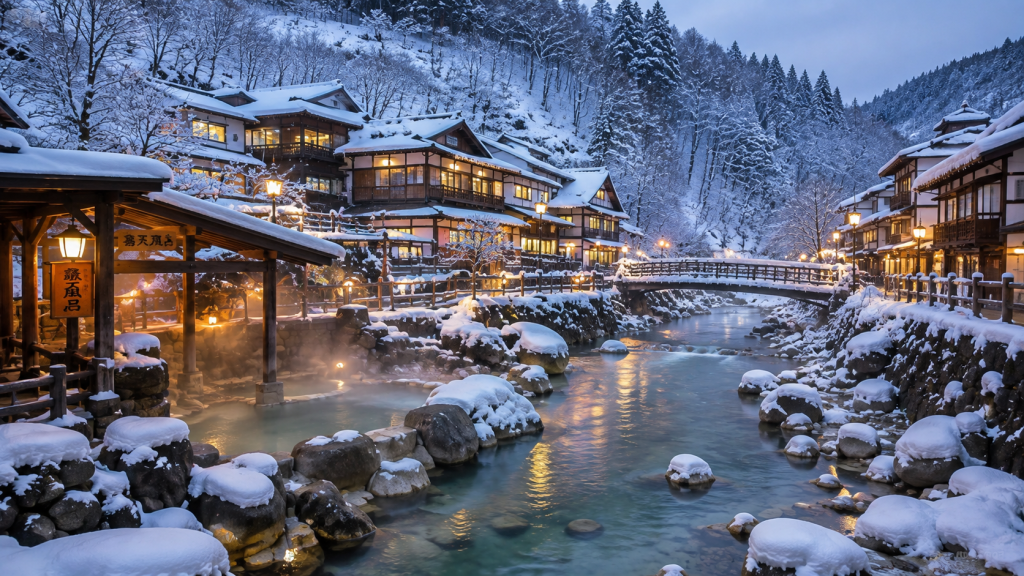
February — Winter Festivals and Deep Snow
February continues Japan’s winter season and can be particularly rewarding in northern Japan.
Hokkaido is famous for its winter landscapes and seasonal events, while snowy villages and mountain onsen create some of Japan’s most memorable winter scenes.
In warmer parts of the country, early signs of spring begin to appear. Plum blossoms often arrive before the more famous cherry blossoms.
February works especially well for travelers who want a distinctly winter trip rather than a conventional sightseeing itinerary.
March — The Beginning of Spring
March is a month of transition.
Winter conditions remain in northern and mountainous areas, while warmer parts of Japan begin moving into spring.
Toward the second half of the month, cherry blossom season may begin in some major cities, although exact flowering dates vary every year.
March can be a good choice if you want spring atmosphere but should not be selected solely on the assumption that cherry blossoms will be at their peak during your exact travel dates.
Best for: Early spring / Blossoms / Mild sightseeing
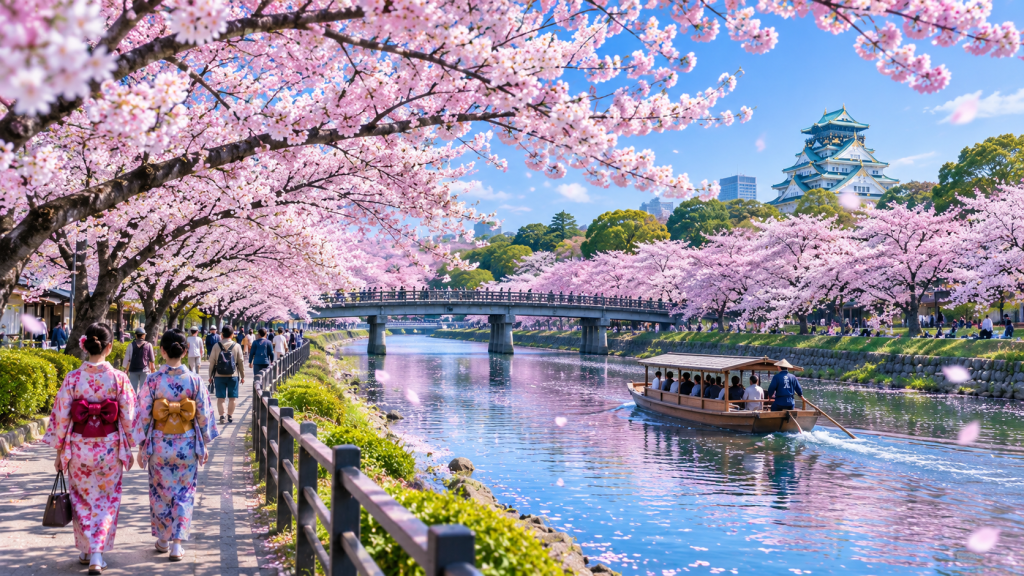
April — Cherry Blossom Season
April is one of the most iconic times to visit Japan.
Cherry blossoms transform parks, riversides, castles and neighborhoods across many parts of the country, creating a travel experience that is difficult to reproduce at any other time of year.
The trade-off is popularity. Famous blossom locations can become extremely busy, and accommodation in popular destinations may require earlier planning.
Blossom timing also varies by year and location, so think of sakura as a seasonal experience rather than a guaranteed event on a specific date.
Cherry blossom timing changes every year and varies significantly by region, so check the latest seasonal information before finalizing your itinerary.
Check Japan’s latest cherry blossom information →
May — Comfortable Weather and Fresh Greenery
May is one of the easiest months for traveling around much of Japan.
Spring temperatures are generally comfortable, landscapes become intensely green, and the peak cherry blossom rush has passed in many central areas.
The major exception is Golden Week around late April and early May, when domestic travel demand increases significantly.
If your dates are flexible, traveling after the busiest holiday period can provide an excellent balance of weather and sightseeing conditions.
If your trip overlaps with Golden Week, book popular trains and accommodation well in advance.
Best for: First-time visitors / Walking / Nature / City travel
If you’re planning your first visit during this season, our 7-Day Japan Itinerary is a simple way to combine Tokyo, Kyoto and Osaka.
June — Rainy Season and Fewer Expectations
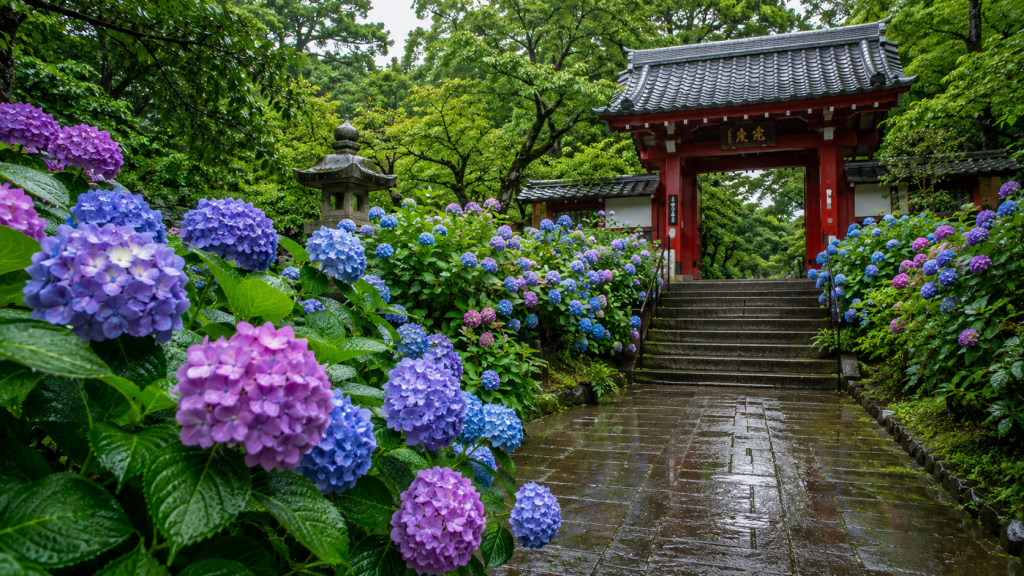
June marks the rainy season across much of Japan, although the exact timing and intensity vary by region.
That doesn’t mean it rains continuously every day.
Instead, expect higher humidity, cloudy periods and a greater chance of rain. Hydrangeas flourish at this time, and some gardens and temples become particularly atmospheric.
Travelers who don’t mind carrying an umbrella may discover a quieter and moodier side of Japan.
The rainy season does not begin and end at the same time everywhere in Japan. Okinawa typically experiences it earlier, while Hokkaido is generally not considered part of the traditional Baiu rainy season.
Check Japan’s rainy season information →
July — Festivals, Mountains and Summer Heat
By July, summer begins to take over much of Japan.
Temperatures and humidity rise, but so does the energy of the season. Traditional festivals, fireworks and outdoor events begin appearing across the country.
July is also an important month for travelers interested in hiking and mountain scenery.
If you struggle with heat and humidity, however, build a slower itinerary and avoid packing every day with outdoor sightseeing.
Best for: Festivals / Hiking / Summer atmosphere
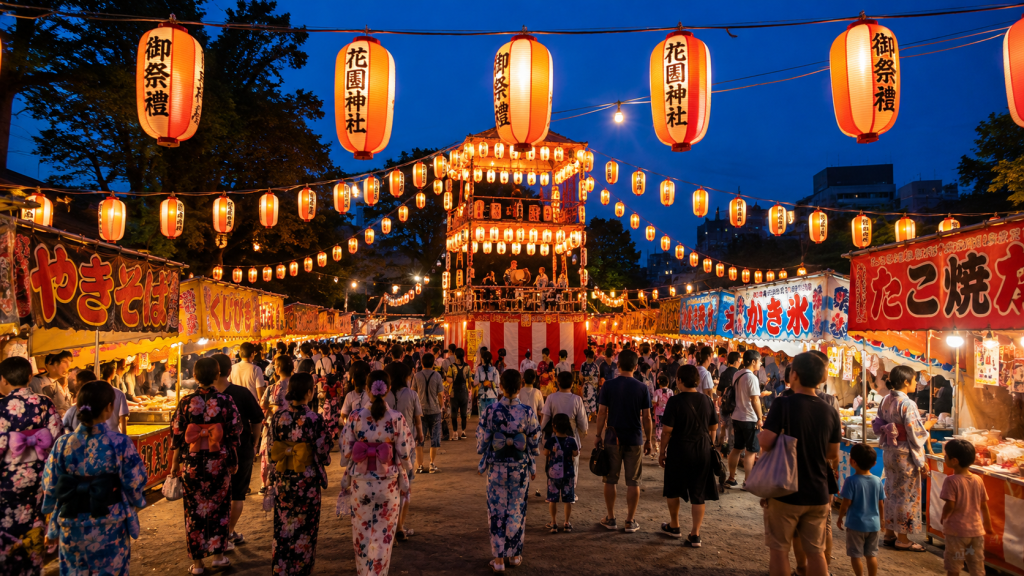
August — Japan at Full Summer Energy
August is hot, humid and lively.
Fireworks illuminate summer nights, festivals fill streets with music and food stalls, and coastal and mountain destinations attract domestic travelers.
This is not the easiest month for travelers sensitive to heat, but it can be one of the most culturally energetic.
The Obon period in mid-August also creates heavy domestic travel demand, so transportation and accommodation deserve extra planning.
Summer festivals are also a great opportunity to explore Japan’s street food culture, from takoyaki and yakisoba to other local favorites. Discover more in our Japanese Food Guide.
September — Summer Fades Slowly
September sits between seasons.
Early in the month, many areas can still feel distinctly hot and humid. Later, temperatures gradually become more comfortable.
September is also part of Japan’s typhoon season, so travelers should keep itineraries flexible and monitor weather forecasts.
It can still be a rewarding month, particularly if you’re comfortable adapting plans when necessary.
If a typhoon is forecast during your trip, check official weather and transportation updates and be prepared to adjust your plans.
Check Japan’s Climate information →
October — One of the Most Comfortable Months
October is an excellent all-round month for many travelers.
Temperatures become more comfortable across much of the country, humidity drops, and outdoor sightseeing becomes easier.
Autumn colors begin appearing in colder and higher-elevation regions before gradually moving south.
For travelers who don’t need cherry blossoms or deep snow, October can offer one of the best combinations of weather and variety.
Best for: First-time trips / Walking / Food / Nature
October is also a great time to slow down and explore somewhere less familiar. See our 10 Beautiful Places Beyond Tokyo and Kyoto for ideas.
November — Autumn Colors
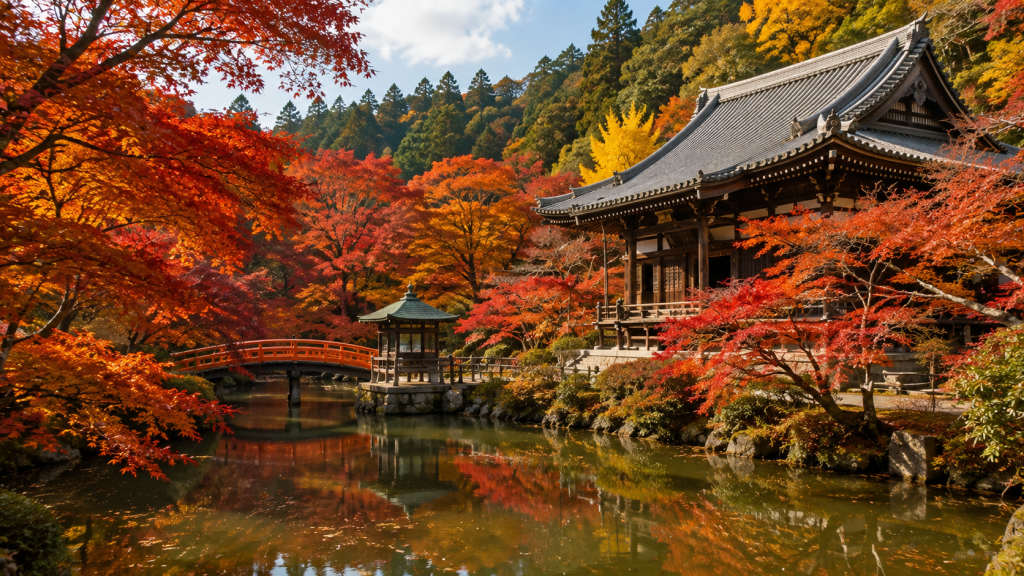
November is one of Japan’s great landscape months.
Red and gold foliage reaches many famous destinations, transforming temple gardens, mountains, parks and historic towns.
Kyoto is particularly popular during autumn foliage season, but beautiful colors can be found far beyond the most famous locations.
If you enjoy walking, photography and traditional landscapes, November deserves serious consideration.
Autumn foliage timing varies by elevation, region and weather conditions, so check current seasonal information if fall colors are a major reason for your trip.
Explore Japan’s autumn foliage information →
December — Winter Begins
December brings colder weather and the beginning of Japan’s winter travel season.
Cities illuminate streets for the holiday season, snow begins accumulating in northern and mountainous areas, and hot springs become increasingly appealing.
Early December can work particularly well for travelers who want cooler sightseeing conditions without committing to the deepest part of winter.
Toward the end of the month, New Year travel begins affecting transportation, opening hours and accommodation.
Best for: Winter atmosphere / Illuminations / Onsen
So, What Is the Best Month to Visit Japan?
If you’re visiting Japan for the first time and simply want comfortable sightseeing weather, May, October and November are excellent months to consider.
Choose late March or April if seeing cherry blossoms is a major priority.
Choose January or February for snow, skiing and winter onsen.
Choose July or August if festivals and summer culture matter more to you than avoiding heat.
And if you want fewer expectations and don’t mind unpredictable weather, months such as June or September can reveal a different side of Japan.
There is no universally perfect month. The best time is the one that matches the experience you actually want.
Choose the Season, Then Build the Trip
Don’t start planning your Japan trip by asking only, “When should I go?”
Ask what you want to experience.
Cherry blossoms? Snow-covered villages? Summer festivals? Autumn mountain roads? Quiet hot springs?
Once you know that, choosing the season becomes much easier.
Japan changes dramatically throughout the year — which also means there is always another reason to come back.
Visiting Japan for the first time? Start with our First Time in Japan guide.
Once you’ve chosen your season, use our 7-Day Japan Itinerary to start building your route.
Want to escape the classic route? Explore 10 Beautiful Places Beyond Tokyo and Kyoto.
Planning to spend part of your trip in the capital? Read our Tokyo for First-Time Visitors guide to start building your Tokyo itinerary.
 Beyond Japan Guide
Leave a comment