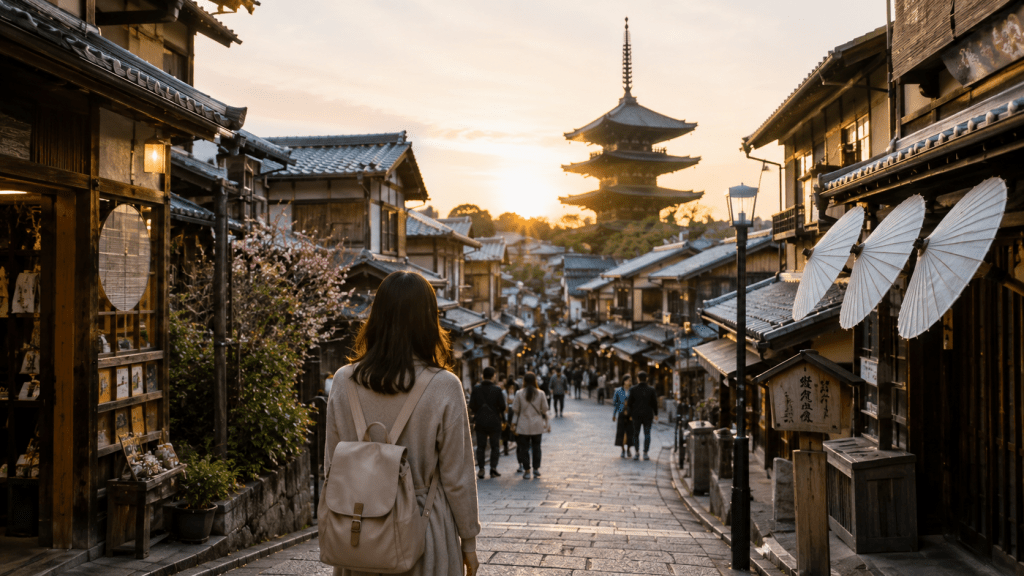
Visiting Japan for the first time? Read our First Time in Japan: 15 Essential Things to Know Before You Go before planning your route.
Seven days in Japan may not sound like much, especially when there are so many places you could visit.
But your first trip doesn’t need to be a race across the country.
This itinerary focuses on three very different cities — Tokyo, Kyoto, and Osaka — giving you a taste of modern Japan, traditional culture, incredible food, and everyday local life without changing hotels every night.
Think of this as a starting point rather than a strict schedule. Slow down when somewhere catches your attention, skip something when you’re tired, and leave a little room for the unexpected.
After all, some of the best moments in Japan happen between the places you planned to visit.
Still deciding when to travel? Check our month-by-month guide to the best time to visit Japan before planning your itinerary.
Your 7-Day Japan Itinerary at a Glance
Day 1 — Tokyo: Arrive and explore your first neighborhood
Day 2 — Tokyo: Asakusa, Ueno and modern Tokyo
Day 3 — Tokyo: Explore Tokyo beyond the biggest sights
Day 4 — Kyoto: Ride the Shinkansen and discover Gion
Day 5 — Kyoto: Temples, traditions and old neighborhoods
Day 6 — Osaka: Food, markets and Osaka after dark
Day 7 — Osaka: A relaxed final morning and departure
Day 1: Arrive in Tokyo and Take It Easy
Welcome to Japan.
After a long international flight, resist the temptation to fill your first day with sightseeing. Immigration, baggage collection, airport transfers, checking into your hotel, and jet lag can easily take more energy than expected.
Once you’ve settled in, spend the rest of the day exploring the neighborhood around your hotel.
Find a small restaurant, walk through a nearby shopping street, step into your first convenience store, and simply get used to being in Japan.
Where to Stay in Tokyo
For a first visit, areas such as Shinjuku, Shibuya, Ueno, Tokyo Station, and Asakusa can all work well depending on your travel style.
More important than choosing the “perfect” neighborhood is staying within easy walking distance of a convenient train or subway station.
Day 2: Discover Traditional and Modern Tokyo
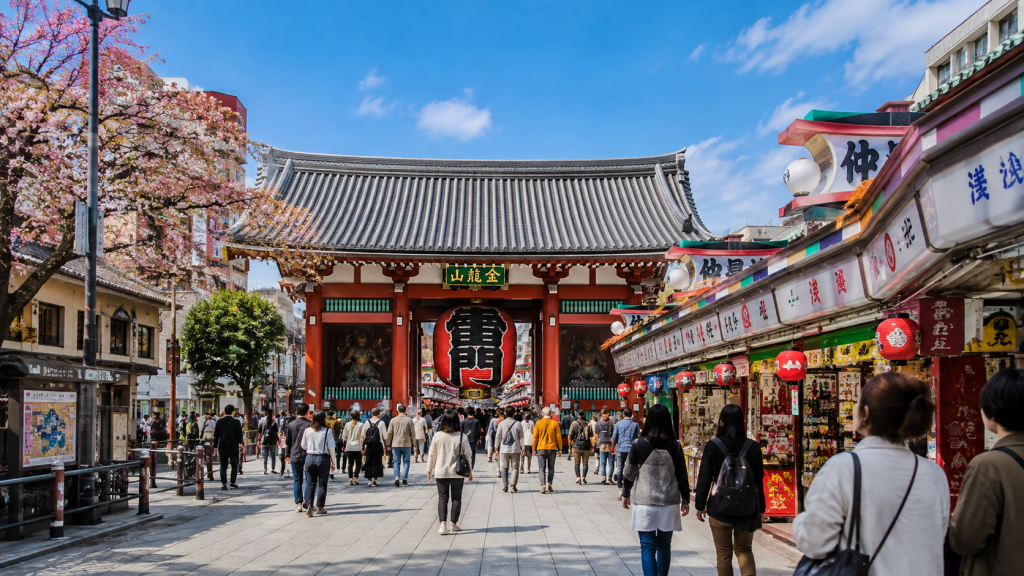
Morning — Asakusa
Start your first full day in Asakusa, one of Tokyo’s best-known historic neighborhoods.
Walk toward Senso-ji, explore the surrounding streets, and take your time noticing the smaller details around the temple area rather than rushing from one photo spot to another.
Afternoon — Ueno
Continue to Ueno for a different side of Tokyo. Depending on your interests, you can explore Ueno Park, visit a museum, or wander through the lively streets around Ameyoko.
Evening — Shibuya
Finish the day in Shibuya and experience the dramatic contrast between old and modern Tokyo.
See the famous crossing, explore the surrounding streets, and find somewhere nearby for dinner.
Day 3: Explore Tokyo Beyond the Biggest Sights
After seeing some of Tokyo’s biggest sights, use your third day to experience the city at a slower pace.
Choose one or two neighborhoods that match your interests instead of trying to cross the entire city.
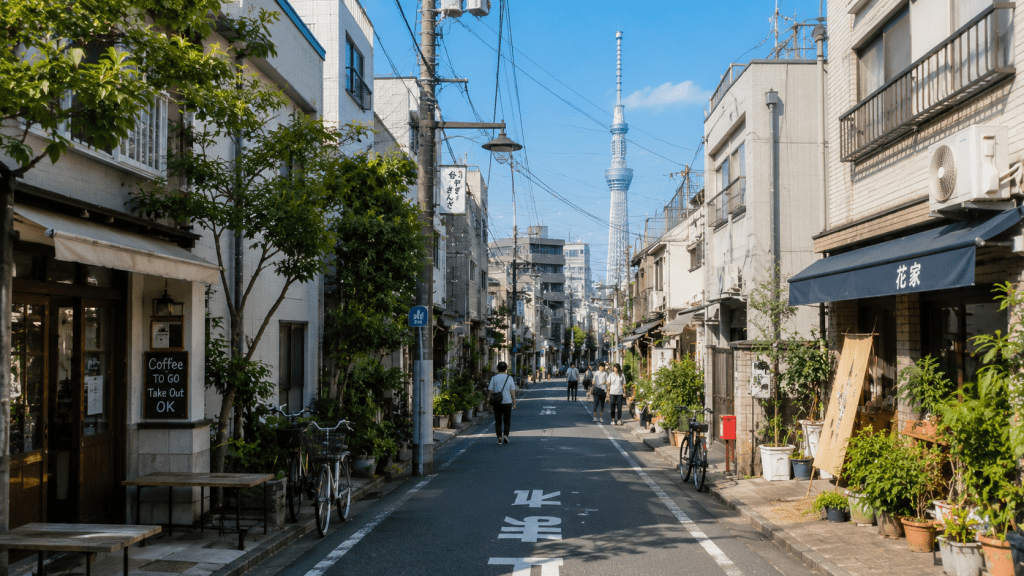
If You Love Food
Tsukiji / Kiyosumi-Shirakawa
If You Love Old Tokyo
Yanaka / Nezu
If You Love Anime & Pop Culture
Akihabara / Nakano
If You Love Fashion & Cafés
Daikanyama / Nakameguro
You don’t need to see every famous landmark to have a memorable day in Tokyo. Sometimes spending a few hours in one neighborhood tells you more about the city than rushing between five attractions.
Want more ideas for your time in the capital? See our Tokyo for First-Time Visitors guide for neighborhoods, food, transportation and practical travel tips.
Day 4: Take the Shinkansen to Kyoto
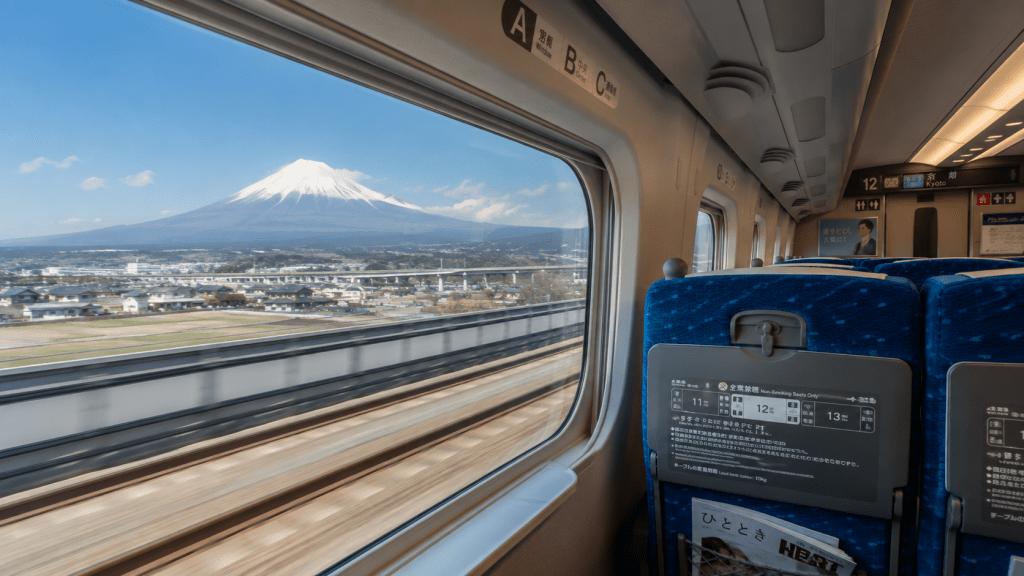
Today, leave Tokyo behind and travel west to Kyoto.
The Shinkansen makes the journey between the two cities straightforward, but don’t treat the train as wasted travel time. Grab something to eat before boarding, find your seat, and enjoy watching Japan change outside the window.
Not sure how train travel works? Read our Getting Around Japan guide before your journey.
Afternoon — Take It Slow
Don’t try to see all of Kyoto immediately after arriving. Check into your accommodation, explore the surrounding area, and give yourself time to adjust to the city’s slower rhythm.
Evening — Gion
As the afternoon turns into evening, walk through Gion and the surrounding streets.
Kyoto becomes particularly atmospheric when the crowds begin to thin and lanterns start glowing outside traditional buildings.
Day 5: Temples, Traditions and Old Kyoto
Kyoto rewards travelers who slow down. Rather than rushing between as many temples as possible, spend today experiencing a few places more deeply and enjoying the atmosphere of the old capital.
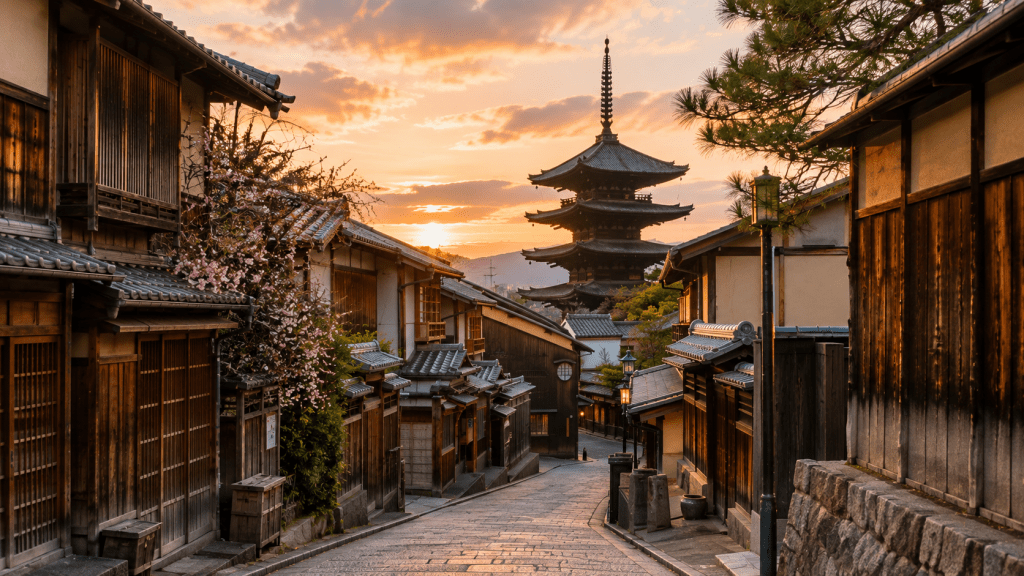
Early Morning — Fushimi Inari
Start early at Fushimi Inari Taisha. The famous torii gates are beautiful, but you don’t necessarily need to complete the entire mountain route.
Late Morning & Afternoon — Choose Your Kyoto
Option A — Classic Kyoto
Kiyomizu-dera
Higashiyama
Gion
Option B — Zen & Gardens
Arashiyama
Tenryu-ji
Bamboo area
Option C — Slow Kyoto
Tea experience
Traditional neighborhood
Local café
Small temple
Spending time in Kyoto? Our Kyoto for First-Time Visitors guide covers the best areas, temples, transportation and practical tips for planning your stay.
Day 6: Eat Your Way Through Osaka
Tokyo impresses with its scale. Kyoto draws you into its history. Osaka wins many travelers over with its energy and food.
Afternoon — Markets and Neighborhoods
Evening — Dotonbori & Namba
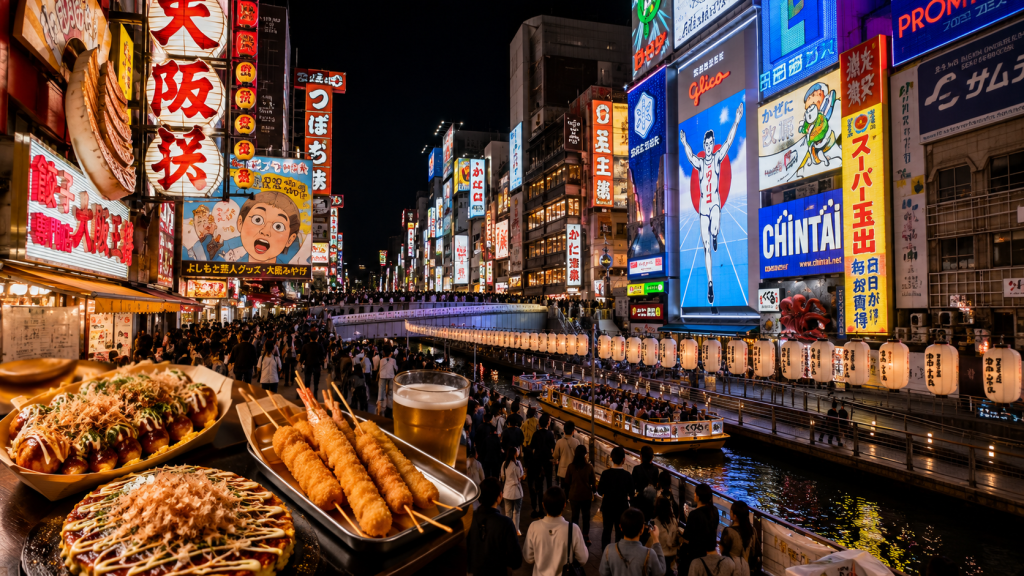
When evening arrives, head toward Namba and Dotonbori.
Bright signs, crowded streets, restaurants, and the smell of food coming from every direction make this one of the most energetic parts of the trip.
What to Eat in Osaka
Takoyaki
Osaka’s famous bite-sized octopus balls, typically topped with sauce, mayonnaise, bonito flakes, and seaweed.
Okonomiyaki
A savory pancake filled with cabbage and other ingredients, cooked on a hot griddle.
Kushikatsu
Crispy deep-fried skewers of meat, seafood, and vegetables — a classic Osaka comfort food.
Want to explore more of Japan’s food culture? Discover 15 Japanese Foods You Must Try in Japan, from sushi and ramen to izakaya dishes and regional specialties.
Day 7: One Last Taste of Japan
Your final day shouldn’t feel like another race against the clock.
Have a relaxed breakfast, take one last walk through the neighborhood, buy a few souvenirs, or return to somewhere you enjoyed earlier in the trip.
If your flight leaves later in the day, choose one nearby place rather than traveling across the city for another major attraction.
Seven days will never show you everything Japan has to offer — and that’s exactly the point.
Your first trip should leave you with memories, not just a completed checklist.
Spending time in Osaka? Our Osaka for First-Time Visitors guide covers the best areas, local food, transportation and practical tips for planning your stay.
How Much Should You Try to See in 7 Days?
The biggest mistake you can make with a one-week Japan itinerary is adding too many cities.
Tokyo, Kyoto, Osaka, Hiroshima, Nara, Mount Fuji and Hakone may all look tempting, but every additional destination means another hotel checkout, another journey with luggage, and less time actually experiencing each place.
For most first-time visitors, three main bases in seven days is already plenty.
Planning your travel costs as well? Our Japan Travel Budget guide breaks down accommodation, transportation, food and everyday expenses to help you build a realistic budget for your trip.
If you have more time in Japan, consider going beyond the classic route with our guide to 10 Beautiful Places Beyond Tokyo and Kyoto.
 Beyond Japan Guide
Leave a comment