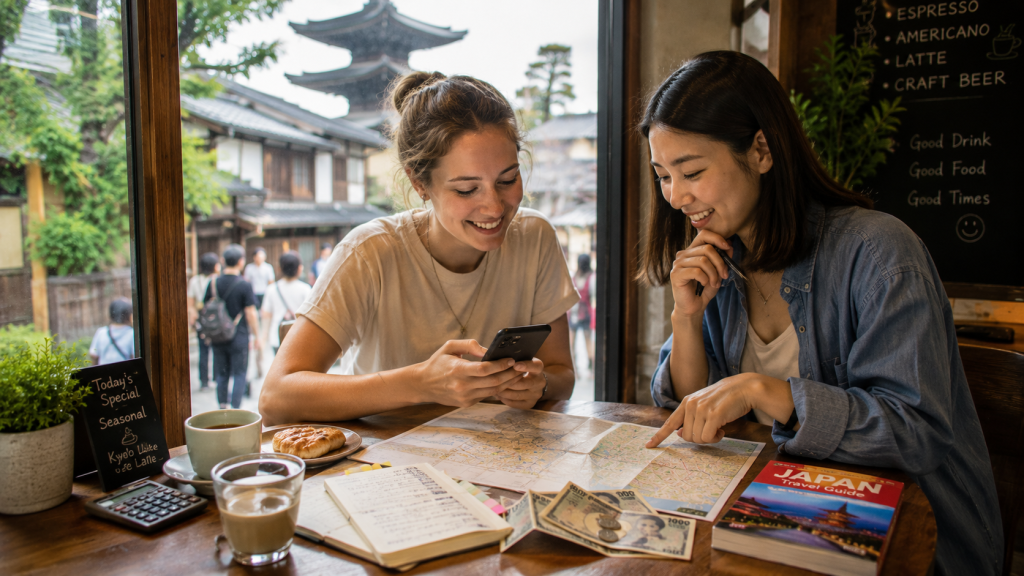
How much money do you need for a trip to Japan?
It is one of the most common questions first-time visitors ask — and there is no single answer.
Japan can be surprisingly affordable if you stay in simple hotels, use public transportation and enjoy casual local restaurants. It can also become expensive very quickly if you choose luxury hotels, frequent long-distance travel and high-end dining.
The good news is that you have a great deal of control over your budget.
Accommodation, transportation and food usually make up a large part of your spending, so understanding these costs before you arrive can make planning much easier.
This guide explains the main costs of traveling in Japan and shows you how to build a realistic budget without sacrificing the experiences that matter most to you.
1. Is Japan Expensive to Visit?
Japan has a reputation for being expensive, but the reality is more complicated.
Major cities such as Tokyo can certainly be expensive if you choose premium hotels and restaurants, but travelers also have access to business hotels, casual restaurants, public transportation and many free attractions.
This makes Japan relatively flexible from a budgeting perspective.
You can spend significantly more for comfort and luxury, but you do not need a luxury budget to have a memorable trip.
Instead of asking whether Japan is expensive, it is more useful to ask what kind of trip you want to take.
For more money-saving ideas, see JNTO’s Guide to Traveling Japan on a Budget.
2. The Three Biggest Costs: Accommodation, Transportation and Food
For most travelers, three categories have the biggest influence on the total cost of a Japan trip:
Accommodation
Where you stay and the type of property you choose can dramatically change your daily budget.
Transportation
Local trains and subways are relatively manageable, but frequent long-distance journeys can quickly increase your total spending.
Food
Japan offers an enormous range of dining options, from inexpensive everyday meals to high-end restaurants.
Once you estimate these three categories, the rest of your travel budget becomes much easier to understand.
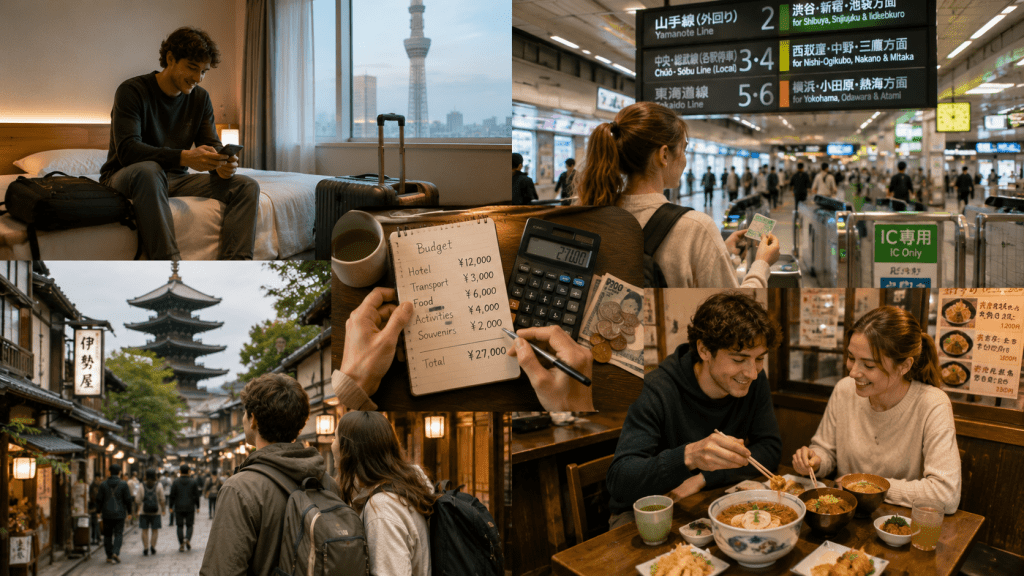
3. How Much Does Accommodation Cost in Japan?
Accommodation can be one of the largest expenses of your trip, but prices vary considerably.
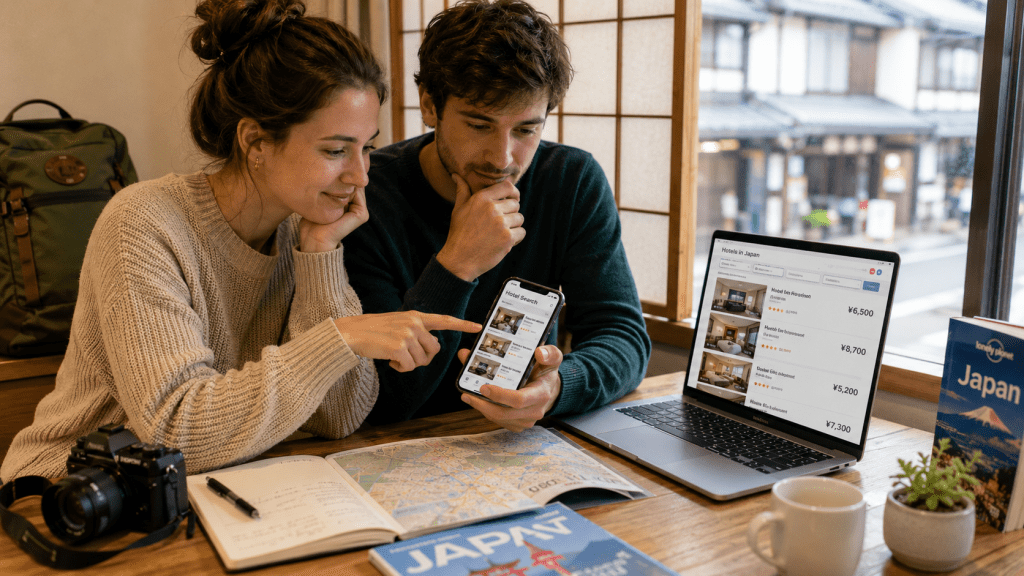
Hostels, guesthouses and simple business hotels can help keep costs lower, while international hotels, luxury properties and traditional ryokan can increase your budget significantly.
Prices also change depending on the city, season, day of the week and how early you book.
Rather than setting one fixed nightly budget for your entire trip, compare accommodation separately in each destination.
You might choose a practical business hotel for several nights in Tokyo and spend more for one memorable ryokan stay later in your journey.
For a complete explanation of hotels, business hotels, ryokan and other options, read our Where to Stay in Japan guide.
4. How Much Does Transportation Cost?
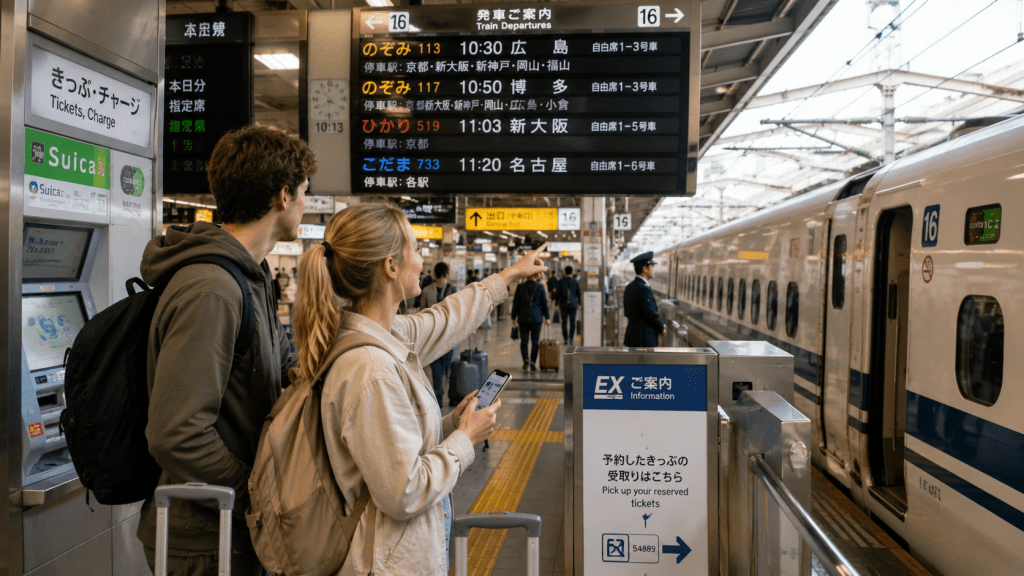
Transportation costs depend heavily on how far you travel.
If you spend several days exploring one city, local trains and subways may represent a relatively small part of your overall budget.
Traveling repeatedly between distant cities is different.
Shinkansen tickets, domestic flights and other long-distance transportation can become a major expense, particularly on an itinerary that changes cities frequently.
This is one reason a slower itinerary can sometimes save both money and time.
Before automatically buying a nationwide rail pass, compare the cost with the journeys you actually plan to make.
You can also check JNTO’s official Tips for Budget Travels for information about transportation passes and other ways to manage travel costs.
For more help understanding trains, IC cards and the Shinkansen, read our Getting Around Japan guide.
5. How Much Does Food Cost in Japan?
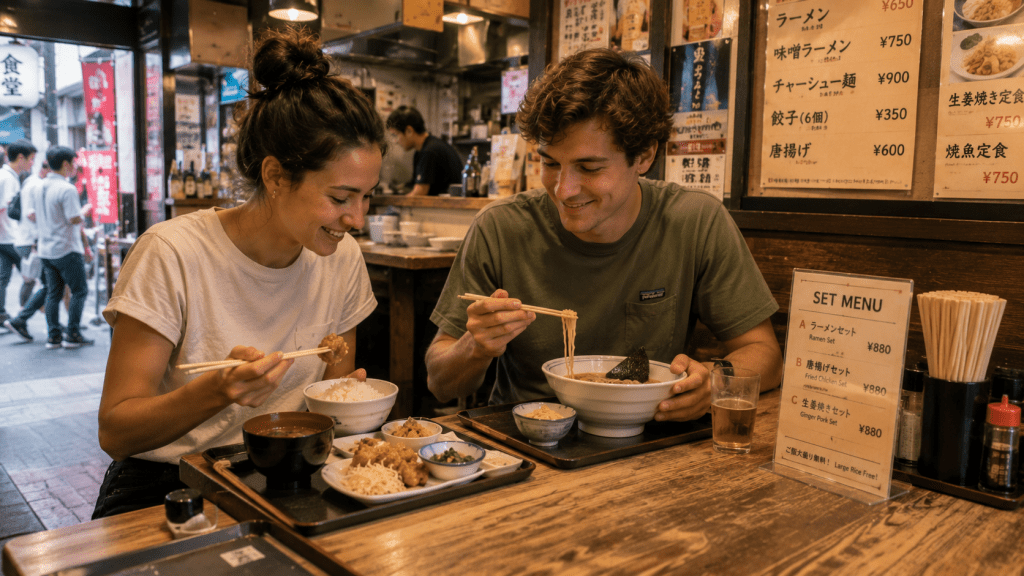
Eating well in Japan does not require an enormous food budget.
Casual restaurants, noodle shops, curry restaurants, conveyor-belt sushi and set meals can provide satisfying meals without the cost of high-end dining.
Convenience stores and supermarkets can also be useful for breakfast, snacks and occasional simple meals.
At the same time, Japan offers countless opportunities to spend more on sushi, wagyu, kaiseki and other special dining experiences.
A practical approach is to keep some meals simple and save part of your food budget for a few experiences that genuinely matter to you.
For ideas on what to eat during your trip, see our Japanese Food Guide.
6. How Much Should You Budget for Attractions?
Not every memorable experience in Japan requires an expensive ticket.
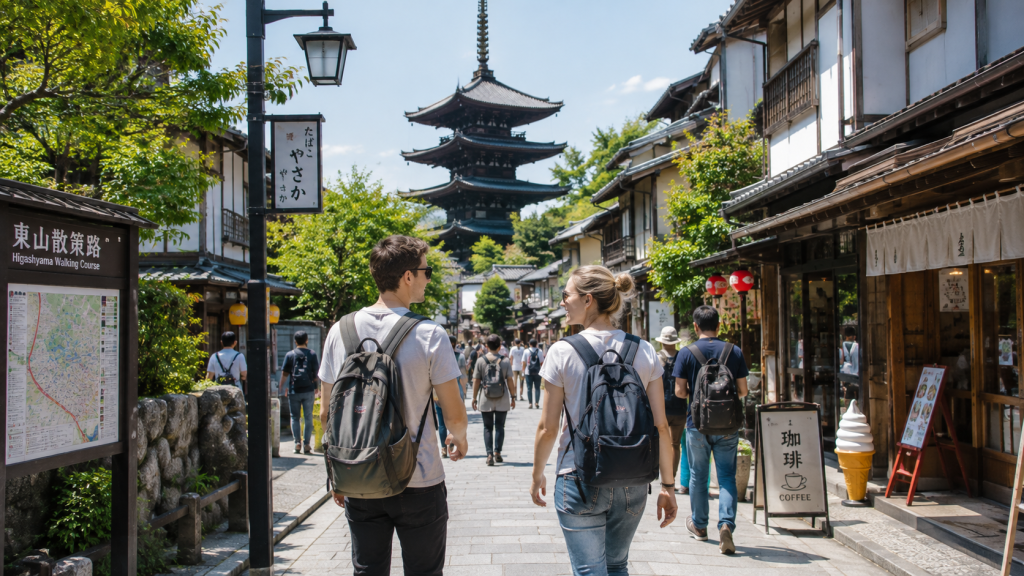
Walking through neighborhoods, visiting parks, exploring shopping streets and experiencing many shrines can cost little or nothing.
Other attractions — including museums, observation decks, theme parks and special exhibitions — require admission fees.
Instead of trying to visit every paid attraction, decide which experiences matter most to you.
Leaving free time in your itinerary can reduce costs while also giving you more opportunities to discover Japan at your own pace.
7. Budget, Mid-Range or Comfortable — What Kind of Traveler Are You?
There is no single “correct” daily budget for Japan.
A better approach is to think about your travel style.
Budget Traveler
You prioritize hostels or simple accommodation, casual meals, public transportation and free or inexpensive attractions.
Mid-Range Traveler
You prefer comfortable hotels, a mix of casual and special meals, regular intercity transportation and paid attractions when they are worthwhile.
Comfort-Focused Traveler
You value larger or higher-end hotels, taxis when convenient, premium dining and more paid experiences.
Most travelers do not fit perfectly into one category.
You might travel economically most days and spend considerably more on one ryokan stay, special meal or memorable experience.
That flexibility is one of the best ways to build a Japan budget that actually fits you.
8. How Much Does a 7-Day Trip to Japan Cost?
A seven-day trip can vary dramatically depending on your travel style.
Instead of starting with one total number, calculate the trip in separate categories:
Accommodation × 7 nights
Food × 7 days
Local transportation
Intercity transportation
Attractions and activities
Shopping and personal expenses
This method gives you a much more useful estimate than copying another traveler’s total budget.
Your route also matters.
Seven days spent mostly in Tokyo will have a very different transportation budget from seven days divided between Tokyo, Kyoto and Osaka.
If you are planning your first week in Japan, see our 7-Day Japan Itinerary.
9. A Simple Japan Travel Budget Example
Here is a simple example of how you might build a daily Japan travel budget, excluding international flights and major intercity transportation:
Accommodation: ¥10,000–¥20,000+
Food: ¥3,000–¥6,000+
Local transportation: ¥1,000–¥2,000+
Attractions and activities: ¥1,000–¥3,000+
Other expenses: ¥1,000–¥3,000+
That gives a rough planning range of around ¥16,000–¥34,000+ per person per day, before major intercity transportation and shopping.
This is not a fixed rule or an average price.
Accommodation is especially variable, and travelers sharing a hotel room may spend less per person. A ryokan, luxury hotel, theme park, expensive meal or busy travel period can push a single day’s spending considerably higher.
Use these figures as a starting framework and check current prices for your actual travel dates before booking.
10. Don’t Forget These Smaller Expenses
Small expenses can quietly add up during a trip.
Remember to leave room in your budget for things such as:
airport transportation, luggage storage or delivery, drinks and snacks, laundry, souvenirs, local taxes or fees, and occasional taxis.
You may not spend money on all of these every day, but having a small buffer makes your budget much more realistic.
It is also useful to separate your travel budget from your shopping budget.
Someone buying electronics, clothing or large quantities of souvenirs can easily spend more on shopping than on everyday sightseeing.
11. How to Save Money Without Ruining Your Trip
Saving money does not mean choosing the cheapest option every time.
Stay near useful transportation.
A well-located hotel can reduce both travel time and unnecessary transportation costs.
Mix expensive and inexpensive meals.
Enjoy simple local food most of the time and spend more when the experience is genuinely important to you.
Avoid unnecessary long-distance travel.
Group destinations logically rather than crossing the country repeatedly.
Compare transportation passes before buying.
A pass is only good value if it matches your actual itinerary.
Use free time as part of the trip.
Walking through neighborhoods, parks and local streets can be just as memorable as paid attractions.
The goal is not to spend as little as possible.
It is to spend your money on the parts of Japan you will remember.
12. Does the Season Affect Your Japan Travel Budget?
Yes.
Accommodation prices and availability can change significantly depending on when and where you travel.
Popular periods such as cherry blossom season, autumn foliage season and major Japanese holidays can create stronger demand in some destinations.
Traveling during less crowded periods may give you more accommodation choices and greater flexibility.
However, price should not be the only reason you choose your dates.
Weather, seasonal scenery and the experiences you want should also influence your decision.
Compare the seasons in our Best Time to Visit Japan guide before choosing your travel dates.
13. Should You Carry Cash in Japan?
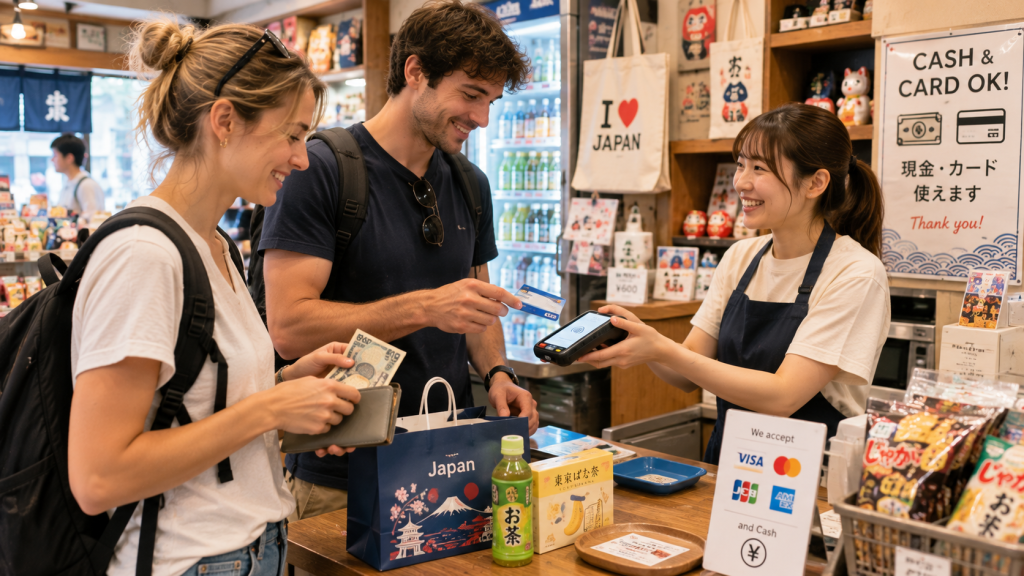
Cards and digital payments are widely used in many parts of Japan, but carrying some cash is still useful.
Some smaller businesses, local establishments and destinations outside major urban areas may offer fewer payment options, so having some yen available can still be useful.
You do not need to carry your entire travel budget in cash.
A combination of payment methods gives you more flexibility.
Keep some yen available for smaller purchases and situations where electronic payment is not convenient.
For current information about card payments, see JNTO’s Credit Cards in Japan guide.
14. Should You Exchange Money Before Traveling to Japan?
You do not necessarily need to exchange your entire travel budget before arriving in Japan.
The best option depends on the fees and exchange rates offered by your bank, card provider or exchange service.
Before traveling, check whether your cards can be used internationally and understand any foreign transaction or ATM fees.
Having access to more than one payment method can also be useful in case one card does not work.
Rather than focusing only on the exchange rate, compare the total cost of accessing and spending your money.
15. Common Japan Travel Budget Mistakes
Budgeting Only for Hotels and Flights
Food, local transportation, attractions and everyday purchases can add up quickly.
Buying Transportation Passes Without Comparing Costs
A popular pass is not automatically the cheapest option for your itinerary.
Changing Cities Too Often
Frequent long-distance travel can increase both transportation costs and travel fatigue.
Choosing the Cheapest Hotel Regardless of Location
Saving money on accommodation may not help if you spend additional time and money traveling from an inconvenient location every day.
Forgetting Peak Travel Periods
Accommodation availability and prices can change during popular seasons and holidays.
Planning Every Day at the Same Spending Level
Some days will be inexpensive. Others may include a Shinkansen journey, special meal or major attraction. Budget for the trip as a whole.
Spend on the Japan Trip That Matters to You
A good Japan travel budget is not about finding the lowest possible number.
It is about deciding what matters to you.
Save on a simple hotel if you plan to spend the entire day exploring. Spend more on a ryokan if traditional hospitality is one of the experiences you have dreamed about. Enjoy inexpensive local meals and still leave room for one special dinner.
Most importantly, build some flexibility into your budget.
Japan gives travelers an enormous range of choices, which means you can adjust the trip to your priorities rather than following someone else’s spending plan.
Planning your first visit? Read our First Time in Japan guide for more practical advice before you go.
 Beyond Japan Guide
Leave a comment