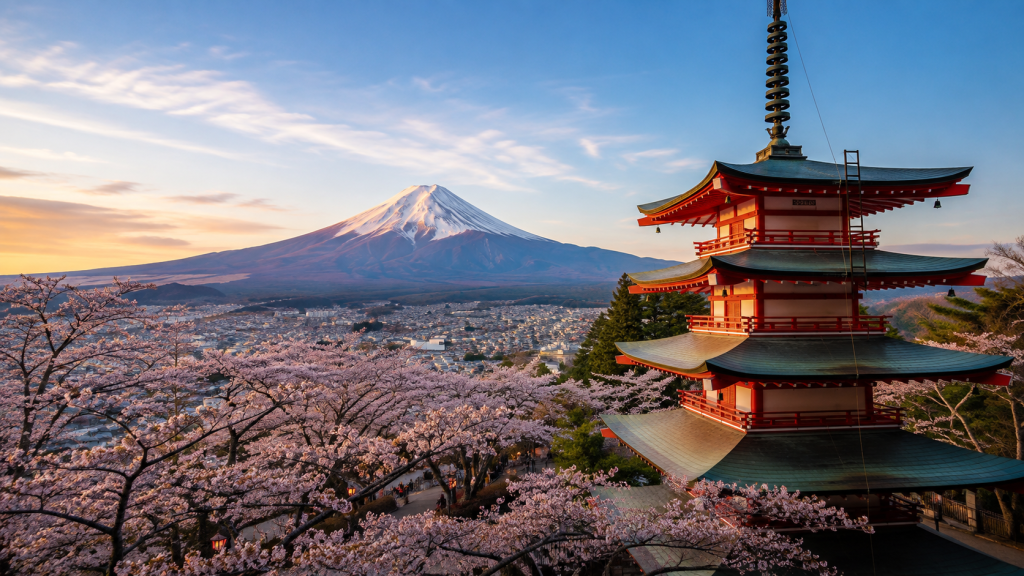
Japan can feel surprisingly easy to travel around once you understand a few basics. Trains are efficient, cities are generally easy to navigate, and everyday conveniences are everywhere — but some things may work differently from what you’re used to.
From IC cards and cash to internet access, train etiquette, and simple cultural customs, a little preparation can make your first trip much smoother.
Here are 15 things worth knowing before you arrive, so you can spend less time figuring things out and more time experiencing Japan.
1. Prepare Your Entry Information Before You Fly
Before leaving for Japan, check the latest entry requirements for your nationality and make sure your passport and any required visa documents are ready.
Japan also offers Visit Japan Web, an online service that allows travelers to register information used for immigration and customs procedures before arrival.
Taking care of these details before your flight can make your arrival in Japan feel much less stressful.
2. Get Connected as Soon as You Arrive
Having internet access makes traveling in Japan much easier. You’ll probably use your phone for maps, train routes, translations, restaurant searches, and reservations throughout your trip.
Depending on your phone and travel style, an eSIM, physical SIM, pocket Wi-Fi, or public Wi-Fi may work best for you.
Major international airports offer free Wi-Fi, but having your own connection is especially useful when traveling outside major cities.
3. Learn How Japan’s Trains Work
Japan’s railway network may look complicated at first, especially in cities such as Tokyo where several railway and subway operators share the same area.
Don’t try to memorize everything.
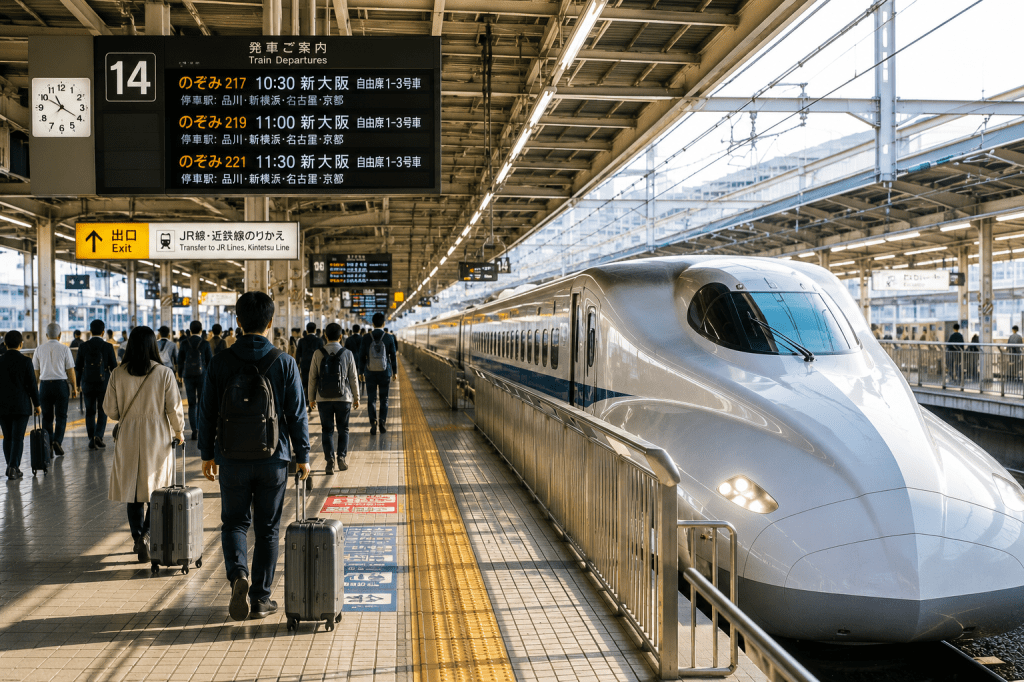
Use a route-planning app to check which train to take, the departure time, platform, transfers, and fare. Once you’ve taken a few journeys, the system becomes much easier to understand.
For a more detailed explanation, read our Getting Around Japan guide covering trains, IC cards and the Shinkansen.
4. An IC Card Can Make Everyday Travel Easier
Instead of buying a separate ticket for every local train journey, an IC card can make everyday travel much simpler.
Rechargeable IC cards such as Suica, PASMO, ICOCA, and others can be used on many trains and buses. They can also be used for small purchases at many convenience stores, vending machines, station lockers, and other locations.
Coverage is extensive, but not universal, so check locally when traveling in more remote areas or using certain transport services.
5. Don’t Assume You Need a Japan Rail Pass
The Japan Rail Pass is famous, but that doesn’t mean every visitor needs one.
Whether a rail pass saves money depends on your itinerary. If you’re staying mainly in one city or making only a few long-distance journeys, individual tickets may make more sense.
Build your itinerary first. Then compare transportation costs before buying a pass.
Want to understand the bigger picture of travel costs? Our Japan Travel Budget guide breaks down accommodation, transportation, food and everyday expenses to help you plan a realistic budget.
6. Carry Some Cash
Japan is increasingly cashless, especially in major cities, but cash is still useful.
Small restaurants, local businesses, rural accommodations, and some transportation services may not accept your preferred card or mobile payment method.
You don’t need to carry a huge amount, but keeping some yen in your wallet can save you from an awkward situation.
7. Convenience Stores Are Surprisingly Useful
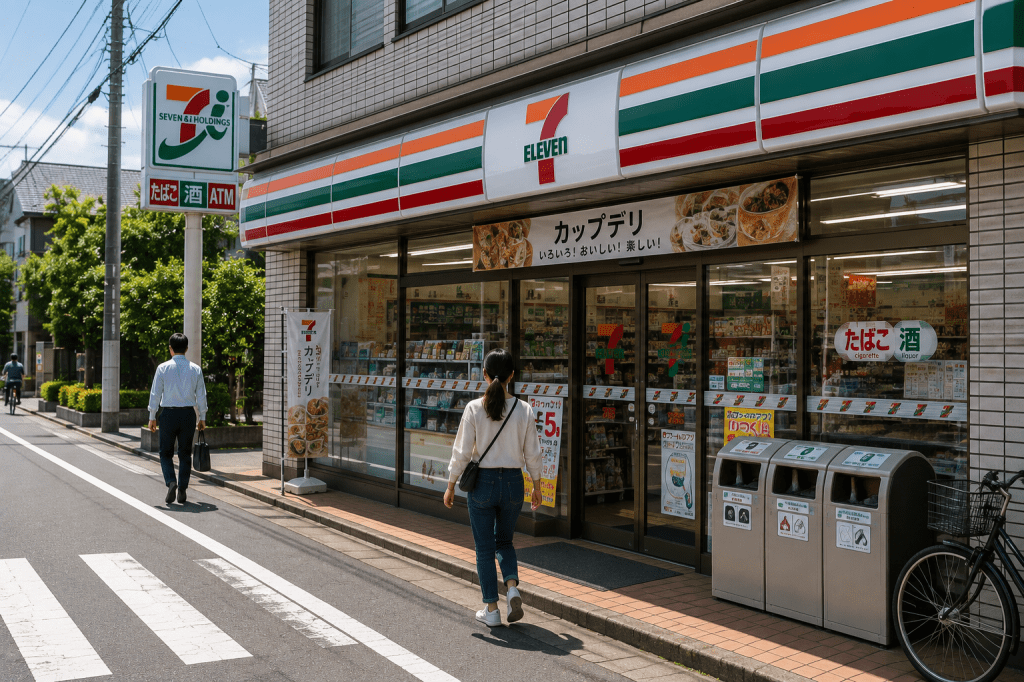
Japanese convenience stores — often called konbini — can quickly become part of your daily travel routine.
They’re useful for much more than snacks. Depending on the store, you’ll find drinks, ready-to-eat meals, toiletries, ATMs, basic travel supplies, and other everyday essentials.
When you’re tired after a long day of sightseeing, knowing there’s probably a convenience store nearby can be wonderfully reassuring.
Food is also one of the best parts of traveling in Japan. Not sure what to try? Explore our guide to 15 Japanese Foods You Must Try in Japan.
8. Don’t Worry About Speaking Perfect Japanese
You don’t need to speak fluent Japanese to enjoy traveling in Japan.
English support is common in many major tourist areas, and translation tools can help when communication becomes difficult.
That said, learning a few simple phrases can make everyday interactions warmer and easier.
| Japanese | Meaning |
|---|---|
| Konnichiwa | Hello |
| Arigato gozaimasu | Thank you |
| Sumimasen | Excuse me / Sorry |
| Onegaishimasu | Please |
| Eigo wa hanasemasu ka? | Do you speak English? |
9. Keep Your Voice Down on Public Transportation
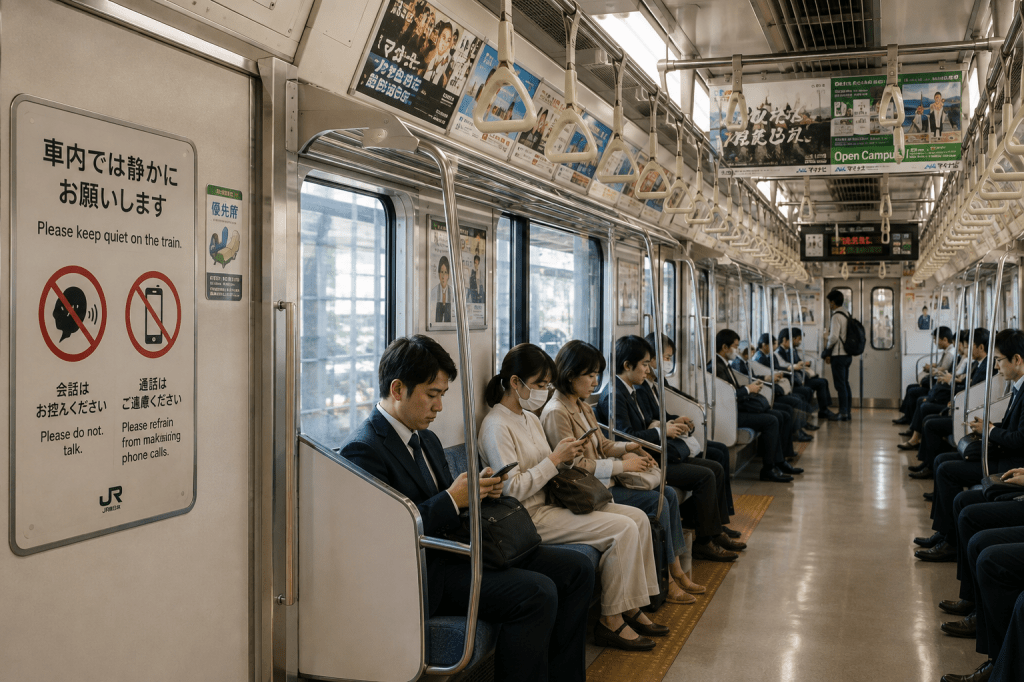
Japanese trains can be crowded, but they’re often noticeably quiet.
Keep conversations at a moderate volume and avoid making phone calls inside ordinary train cars. If you’re carrying a large backpack, be mindful of the people around you, especially during busy periods.
You don’t need to memorize a long list of rules — simply paying attention to how people around you behave will take you a long way.
10. Learn When to Take Off Your Shoes
In Japan, shoes are removed in certain indoor spaces.
This is common in traditional accommodation, some restaurants, temples, homes, and rooms with tatami flooring.
The easiest rule is simple: look at what others are doing. If you see a step at the entrance, shoe racks, slippers, or people removing their shoes, pause and check before walking inside.
11. You Usually Don’t Need to Tip
Tipping is generally not part of everyday service culture in Japan.
At restaurants, cafés, taxis, and many other businesses, simply pay the amount shown.
Great service doesn’t require calculating an extra percentage — a sincere “arigato gozaimasu” is usually enough.
12. Give Yourself More Time at Large Stations
A train journey may take only ten minutes, but finding the right exit at a huge station can take longer than expected.
Stations such as Shinjuku, Tokyo, Shibuya, Osaka, and Kyoto can feel like destinations of their own.
When you have a restaurant reservation, tour, or connecting train, give yourself extra time — especially on your first few days.
13. Don’t Try to See Everything
One of the easiest mistakes to make on a first trip to Japan is trying to visit too many places.
Tokyo, Kyoto, Osaka, Hiroshima, Mount Fuji, Hokkaido, and Kyushu may all look close together on a map, but constantly changing hotels and taking long train journeys can quickly become exhausting.
Leave some space in your itinerary. Japan is often most memorable when you have time to wander, stop at a small café, explore a neighborhood, or discover somewhere you hadn’t planned to visit.
If you’re visiting Japan for one week, our 7-Day Japan Itinerary shows how to experience Tokyo, Kyoto, and Osaka without trying to do too much.
14. Leave Space for Japan Beyond the Famous Sights
Tokyo and Kyoto deserve their popularity, but they are only part of the story.
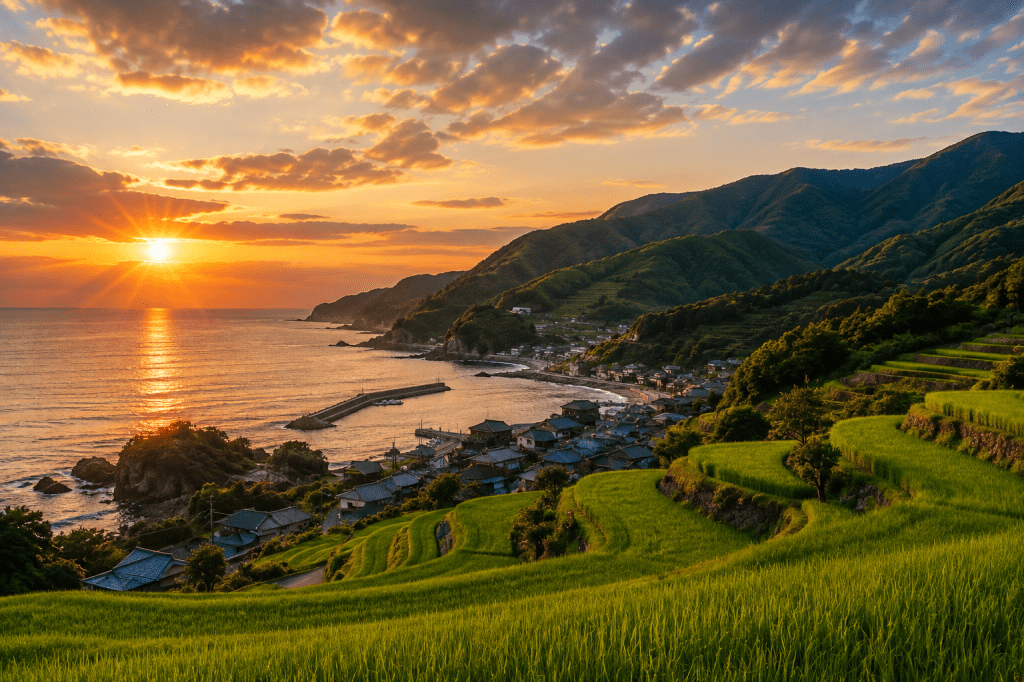
Small towns, coastal villages, hot spring communities, mountain landscapes, regional food, and quieter neighborhoods can show you a very different side of Japan.
Even on your first trip, consider leaving one or two days open for somewhere you knew almost nothing about before you started planning.
Want to explore beyond Japan’s classic route? Discover 10 Beautiful Places Beyond Tokyo and Kyoto, from mountain onsen towns to remote islands and historic villages.
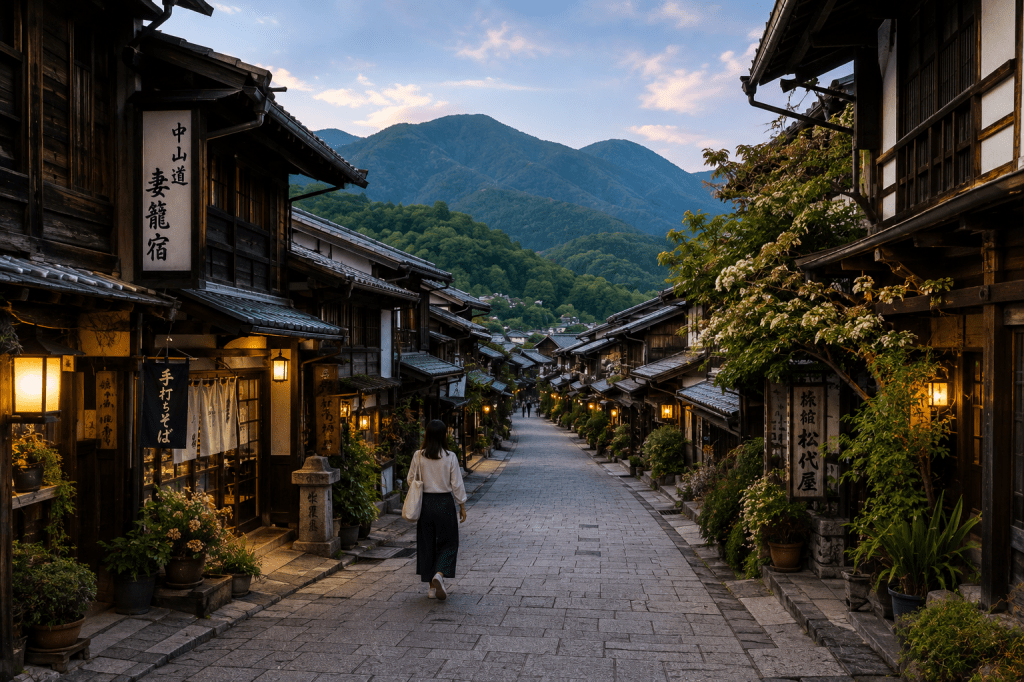
15. Stay Curious — You Don’t Need to Get Everything Right
Your first trip to Japan doesn’t need to be perfectly planned.
You may take the wrong station exit, order something you didn’t expect, misunderstand a sign, or change your itinerary halfway through the trip.
That’s part of traveling.
Prepare the essentials, stay respectful, and leave yourself enough freedom to discover Japan at your own pace.
If Tokyo is your first stop, our Tokyo for First-Time Visitors guide will help you plan which neighborhoods to explore and how to organize your days.
Ready for Your First Trip to Japan?
A little preparation goes a long way, but don’t let planning take over the adventure. Learn the basics, build a realistic itinerary, and leave room for unexpected discoveries.
Japan has much more to offer than a checklist of famous sights. Take your time, explore beyond the usual routes, and make the journey your own.
Not sure when to visit? Our month-by-month guide to the best time to visit Japan will help you choose the right season for your trip.
 Beyond Japan Guide
Leave a comment